Reencantar a juventude e disputar mentes e corações
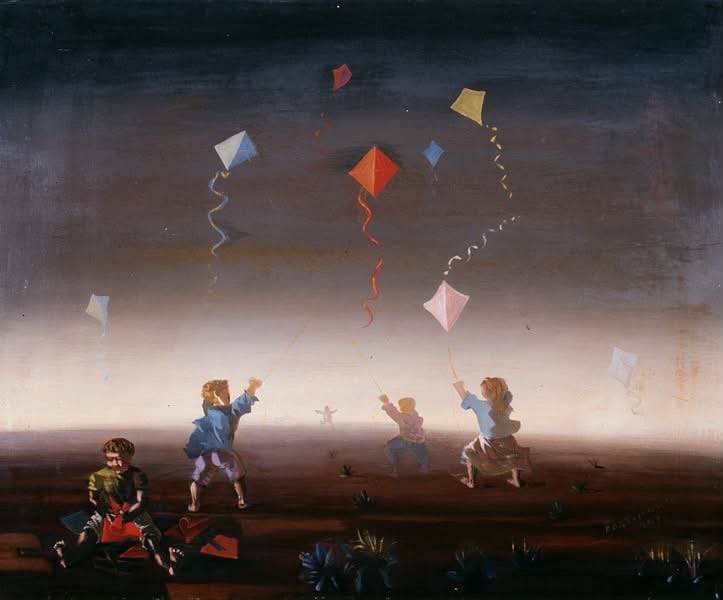
Pegue carona, em uma estrada distante, ao lado de uma criança de oito anos de idade. Subam juntos na carroceria traseira de uma caminhonete. No balançar do trajeto, entre o esforço para se segurar e o vento nos cabelos, mostre à criança uma maçã que está em seu bolso. Pergunte a ela o que acontece se você jogar o fruto ao alto. Quem não estudou ainda as leis da física e desconhece a inércia operante sobre dois corpos igualmente em movimento, acha que a maçã ficará pelo asfalto. Mas assim que ela retornar, sã e salva, à sua palma, pense no mundo em que hoje vivemos.
Tudo se move, rapidamente. Todos os corpos, todas as informações, as variações econômicas, políticas, culturais e científicas da humanidade. E desde que o grande movimento geral das coisas tornou-se regra – talvez após a chamada quarta revolução industrial e a dependência humana da internet e das comunicações digitais – as novas gerações talvez tenham mais desafio em compreender o que parece se mover e o que parece parado. A criança que não estudou física – análoga ao indivíduo sem a consciência de classe e o letramento científico-social sobre o mundo que o circunda – olha para a maçã sem perceber, inicialmente, que ela também se movimenta, sob a mesma velocidade, dentro da caminhonete. As duas estão em transformação. Por outro lado, mesmo em estado de mudança, deslocamento, há algo que não se transforma. Mesmo sob alta velocidade, a maçã não deixa de ser maçã e a criança não deixa de ser um ser humano, que se tiver fome irá comê-la.
Entender o que está mudando e o que permanece igual é um dos grandes desafios diante da crise estrutural do capitalismo, que reorganiza o mundo sob a lógica da insegurança permanente, da financeirização da vida e da destruição dos vínculos coletivos, principalmente para a juventude de todas as partes do globo e em especial da América Latina. A compreensão do que é estrutural ou circunstancial, a efemeridade de novas urgências, estilhaçadas na pólvora morta de cada nova hashtag, palavra de ordem ou inovação retórica confunde a ordem do dia e a compreensão do que é sistema ou anti-sistema na sociedade traumatizada dos tempos correntes. Dessa forma, a juventude brasileira cresce em meio à precarização do trabalho, à hiperindividualização das relações humanas, à crise de pertencimento e à sensação constante de ausência de futuro. Afinal de contas, o que será que está parado e o que está em movimento?
Antonio Gramsci, ao refletir sobre as grandes crises históricas do século XX, escreveu que “a crise consiste precisamente no fato de que o velho está morrendo e o novo não pode nascer”. Diante disso, os fenômenos naturais da organização humana são reproduzidos em estado de espera, como se ao fim dos horizontes e perspectivas de superação do status quo, a continuidade de suas mazelas e flagelos fosse naturalizada em estágios de maior fulgor e ousadia. E é exatamente nesse interregno histórico que surgem os fenômenos mórbidos mais variados. Guardada as devidas proporções, a formulação de Gramsci ajuda a compreender profundamente o tempo em que vivemos. A velha ordem neoliberal, perde legitimidade, já não consegue produzir estabilidade social, perspectivas coletivas ou consensos duradouros. Seus esporões, regurgitados em novas maldades com os mais vulneráveis e assimilação de absurdos lacerantes sobre a carne dos mais pobres, atingem auges de distopia. Vide a atual situação do Brasil e de sua classe trabalhadora simpática à sua própria perda de direitos trabalhistas e sociais. Ao mesmo tempo, o novo ainda não conseguiu se consolidar como alternativa política, econômica e cultural capaz de reorganizar a sociedade em torno de um novo panorama histórico.
Há que se compreender o flanco neoliberal como espécie de ponto cego da história do chamado mundo civilizado, em flerte com seu estado de barbárie e ruptura completa dos pactos sociais que permitiram a sua consolidação. É precisamente no coração desse hiato que emergem, como se ninguém tivesse os visto, os extremismos de muitas sortes, o irracionalismo militante da anti-ciência, a depressão social em pessimismos partilhados às massas, o ódio político, a violência política como circo e fetiche, consequentemente o avanço da extrema direita. Não se trata de um monstro que perfure o futuro, mas sim que alimenta-se do presente confuso, infringindo dessa forma um estado de perturbação sintonizado ao que já perturba os extratos mais numerosos da população. Recorre ao medo sem que possa oferecer a paz e tranquilidade em sua cartilha de pregações e fanatismos.
A imagem da mesa de natal com uma família dividida, rachada e magoada pelo embate político, tornou-se símbolo desse processo no Brasil, desde o início da ascensão da extrema direita, nos meados da última década. Trata-se de evidência que o neoliberalismo em crise, sem rumo, ladeado pelo seu próprio vácuo, não destroi apenas serviços públicos ou direitos sociais. Corroi afetos. E certamente há grande correspondência de tal nas relações econômicas, no mundo do trabalho, no acesso às riquezas e nos bens materiais e simbólicos do dia a dia. Dessa forma, transforma-se rapidamente sonhos em mercadoria e converte-se a própria existência em competição permanente.
Desde o início do século, suicídios entre adolescentes no Brasil cresceram 120%. No ano de 2025, dados do Ministério da Saúde mostram que este fenômeno – de ordem não somente individual, porém social – tornou-se cada vez mais jovem. E o que temos no Brasil atualmente é um quadro em que a juventude é empurrada para um cotidiano marcado pela ansiedade, pela solidão, pela lógica da sobrevivência individual e pela ideia de que não existe alternativa possível para além da adaptação ao mercado, a conquista de vitórias financeiras a partir da contaminação enganosa da meritocracia. E é dentro desse campo, entre todos os espinhos deixados pela estrutura econômica e social, que a extrema direita passou a disputar mentes e corações da juventude através das redes sociais, da estética, da linguagem, do comportamento e da construção de identidades coletivas. Enquanto isso, setores progressistas muitas vezes concentraram seus esforços apenas na dimensão institucional ou administrativa da política, abrindo mão da luta de ideias e da capacidade de produzir pertencimento, esperança e horizonte coletivo.
A complexidade de formação humana e histórica do Brasil inclui um processo violento de colonização, a escravidão e violações enraizadas de populações negras e indígenas, graves sistêmicos de violência de gênero, difrenças territoriais que, por vezes, se traduzem em preconceitos e uma complexidade religiosa que tem se tornado cada vez mais deicisva para os processos políticos, principalmente após o grande crescimento da comunidade evangélica em suas muitas vertentes. Diante dessa conjuntura, o bolsonarismo compreendeu rapidamente algo que parte do campo progressista demorou a perceber. A disputa política contemporânea não acontece apenas nas instituições, nos parlamentos ou nas eleições. Ela acontece também no terreno da subjetividade, da cultura, dos afetos e da imaginação social. Trata-se de uma verdadeira guerra cultural.
Georgi Dimitrov, em seu informe ao VII Congresso da Internacional Comunista, alertava que o fascismo conseguia penetrar nas massas explorando medos, inseguranças e frustrações produzidas pela crise capitalista. Para Dimitrov, o combate à extrema direita não poderia se limitar à denúncia abstrata, mas exigia disputar politicamente a consciência popular e construir ampla unidade social contra o fascismo. Essa formulação recupera enorme atualidade no século XXI. A extrema direita contemporânea ocupa espaços de pertencimento, rebeldia e identidade que muitas vezes foram abandonados pelas forças progressistas. O resultado disso foi sua capacidade de dialogar com sentimentos reais de insegurança, ausência de perspectivas e desorganização da vida social vividos por milhões de jovens brasileiros.
BROTAR, REENCANTAR
De toda a pequena miríade de palavras sobre o reino vegetal, o “brotar” tem lugar especial, tanto em seus sentidos literal e literário. Com duas sílabas e potência vocal de abertura, o “brota” brota em diferentes contextos e gerações da juventude brasileira. Quem brota é quem chega, cola, surge, faz a diferença e existe da sua melhor maneira em algum espaço dessa vida e desse país. O “brota” – seja da natureza ou do sujeito – é portanto uma palavra poderosa. É preciso que o poder jovem e transformador, sempre latente nas gerações de jovens do Brasil, tenha sua particular e vistosa insurreição a partir de força própria, que seja capaz de perfurar o solo de adversidades que encontramos no cenário atual. Cumprindo a visão de perspicaz sabedoria de Mano Brown, pensador ímpar da sociedade brasileira, ao versar que até em lixão nasce flor.
Brotar é ato de fascínio, é acontecimento, é força natural que inspira, hipnotiza, sensibiliza. Brotar é ato de encantamento. E é preciso reencantar a juventude brasileira. Por isso, o desafio estratégico dos comunistas neste período histórico vai muito além das tarefas organizativas, das disputas eleitorais ou das conquistas institucionais. Para além dos congressos, das tarefas diárias da militância e da acumulação organizativa, existe uma tarefa mais profunda colocada diante da juventude comunista brasileira. Reencantar a juventude significa fazer uma geração inteira voltar a acreditar que transformar o mundo é possível.
O trabalho desenvolvido pelos jovens comunistas, dirigido pela UJS, no último período permitiu importantes avanços no movimento estudantil e na reorganização da nossa presença social. O Congresso da UBES representou uma grande vitória política, consolidando um novo patamar de inserção entre os secundaristas e fortalecendo nossa presença das em um dos principais espaços de disputa da juventude brasileira. Nossa organização na educação popular, a partir da Rede OCUPA de cursinhos, demonstra nosso potencial em agir territorialmente. O próximo desafio será o CONEG da UNE. Organizar dezenas de entidades estudantis não é uma tarefa simples. Exige elaboração política, capacidade organizativa, presença militante e construção coletiva. Ao mesmo tempo, já estão em curso em todo o país os congressos de núcleos, municipais e estaduais da UJS, culminando no Congresso Nacional da entidade, que acontecerá entre os dias 4 e 6 de julho, no Rio de Janeiro. Esse processo congressual não pode ser compreendido apenas como um rito organizativo. Ele cumpre papel estratégico na formação política, na renovação das direções, na reorganização da militância e, principalmente, na reconstrução de sentido coletivo para uma geração submetida diariamente à lógica destrutiva do individualismo neoliberal.
Os congressos de núcleos, realizados nas escolas, universidades, bairros e territórios, aproximam a organização política da realidade concreta da juventude. Os congressos municipais e estaduais permitem reorganizar a atuação coletiva, fortalecer a entidade e ampliar a presença social dos jovens comunistas. Já o Congresso Nacional da UJS representa a síntese política desse processo, consolidando formulações, atualizando desafios e apontando tarefas estratégicas para o próximo período histórico. O Fórum de Secretários Estaduais de Juventude do PCdoB, coordenado pela Secretaria Nacional de Juventude, também cumpre papel importante nesse processo ao se consolidar como espaço de discussão, formulação política, troca de experiências e alinhamento estratégico da atuação juvenil comunista em todo o país.
A luta política do próximo período exigirá capacidade de mobilização social, presença territorial, fortalecimento das entidades estudantis, atuação nas redes sociais e aprofundamento da luta de ideias. Mas exigirá também algo ainda mais profundo. Será necessário reconstruir a esperança histórica. A juventude sempre ocupou papel central nos grandes processos de transformação social porque carrega consigo não apenas indignação, mas também imaginação. Nenhuma revolução foi feita apenas de programas econômicos, estruturas institucionais ou disputas parlamentares. Todas dependeram da capacidade de mobilizar sonhos, criar pertencimento e transformar esperança em força política organizada.
É exatamente nesse ponto que a ideia do “novo homem”, reivindicada por Che Guevara, recupera enorme atualidade. Não como abstração moral ou romantização vazia, mas como compreensão profunda de que nenhuma transformação revolucionária se sustenta sem transformação ética, cultural e humana. Che compreendia que o socialismo não poderia significar apenas uma nova organização econômica da sociedade. Era necessário construir novos valores, novas formas de convivência, novas relações humanas e uma nova concepção de humanidade baseada na solidariedade, no compromisso coletivo, na justiça social e no internacionalismo.
Reencantar a juventude significa também reconstruir as bases subjetivas para essa transformação. Significa reapresentar a solidariedade como valor revolucionário em uma sociedade marcada pela lógica brutal da competição permanente. Significa fortalecer os laços entre camaradas, recuperar a dimensão coletiva da militância e reconstruir a ideia de comunidade em uma época de fragmentação extrema. Em um mundo marcado pelo crescimento do ódio, da xenofobia, das guerras e do nacionalismo reacionário, os comunistas precisam reafirmar o valor da solidariedade internacionalista. A juventude deve voltar a enxergar nos povos em luta, em Cuba, na Palestina, na América Latina e em tantas outras experiências de resistência, não causas distantes, mas parte de uma mesma batalha histórica pela emancipação humana.
Posteriormente ao processo congressual, teremos um dos grandes desafios do próximo período, o processo eleitoral de 2026. Os jovens comunistas precisarão entrar de cabeça nessa batalha, ajudando a derrotar o bolsonarismo nos governos estaduais e na presidência da República, defender a reeleição do presidente Lula, fortalecer o PCdoB e eleger parlamentares comprometidos com as pautas da juventude e com um projeto nacional de desenvolvimento soberano.
Mas também nesse terreno será necessário ir além da dimensão eleitoral imediata. A juventude precisa apresentar uma plataforma avançada para o Brasil, disputar valores, dialogar com os dilemas reais de uma geração precarizada e ocupar novamente o espaço da rebeldia transformadora. O desafio estratégico dos comunistas é reencantar a juventude brasileira, disputar mentes e corações e fazer uma geração inteira voltar a acreditar que a política, a solidariedade e a ação coletiva ainda podem transformar o mundo e construir um novo horizonte histórico para a humanidade.
* Tiago Alves Ferreira atua na política juvenil brasileira desde o início dos anos 2000, sendo atualmente secretário de Juventude do PCdoB de Belo Horizonte e de Minas Gerais, além de integrar a Comissão Nacional de Juventude do Partido. Foi diretor de Cultura da UNE (2005–2007), coordenador-geral do Cuca da UNE (2007–2009) e membro do Conselho Nacional de Juventude (Conjuve) durante o primeiro governo Lula.